








Antibiblioteca
Spring/Summer 2027
“The writer Umberto Eco belongs to that small class of scholars who are encyclopedic, insightful, and nondull. He is the
owner of a large personal library (containing thirty thousand books), and separates visitors into two categories: those
who react with “Wow! professor Eco, what a library you have! How many of these books have you read?” and the others
- a very small minority - who get the point that a private library is not an ego-boosting appendage but a research tool.
Read books are far less valuable than unread ones. The library should contain as much of what you don’t know as your
financial means, mortgage rates and the currently tight real-estate market allows you to put there. You will accumulate
more knowledge and more books as you grow older, and the growing number of unread books on the shelves will look at
you menacingly. Indeed, the more you know, the larger the rows of unread books.
Let us call this collection of unread books an antilibrary.”
(Nassim Nicholas Taleb)
When Nassim Nicholas Taleb tells the story of Umberto Eco’s library in The Black Swan, he is not charmed by the books
Eco had read, but rather by the incredible number of volumes that he had not yet read. Because the value of an antilibrary
lies not in what we already know, but in the tangible presence of what we still do not. The antilibrary is not a monument
to erudition, but a research tool where the unread books represent the most precious part of the collection: a form of
potentially boundless cognitive capital that always makes new discoveries possible.
In this spirit the antilibrary resembles that Japanese practice known as tsundoku (積ん読): the habit of buying books and
letting them pile up without reading them. What might look like a form of procrastination assumes a different meaning
here. Those books are not unused objects, but presences that testify to the world’s excess over what we know. Each volume
still unopened with its scent of untouched paper is a memento of lives, ideas and stories that wait for us to meet them. A
promise of happiness treasured in anticipation.
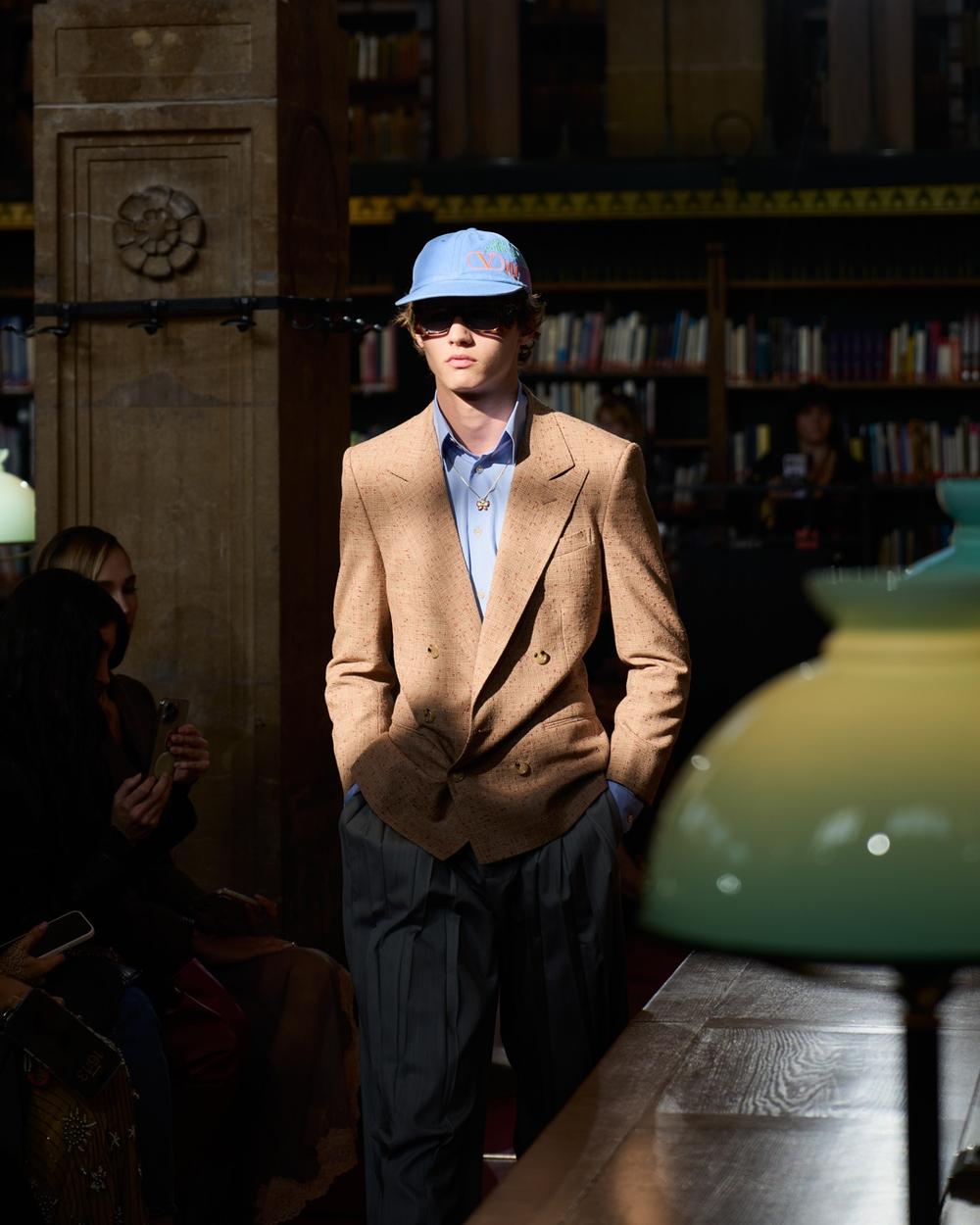
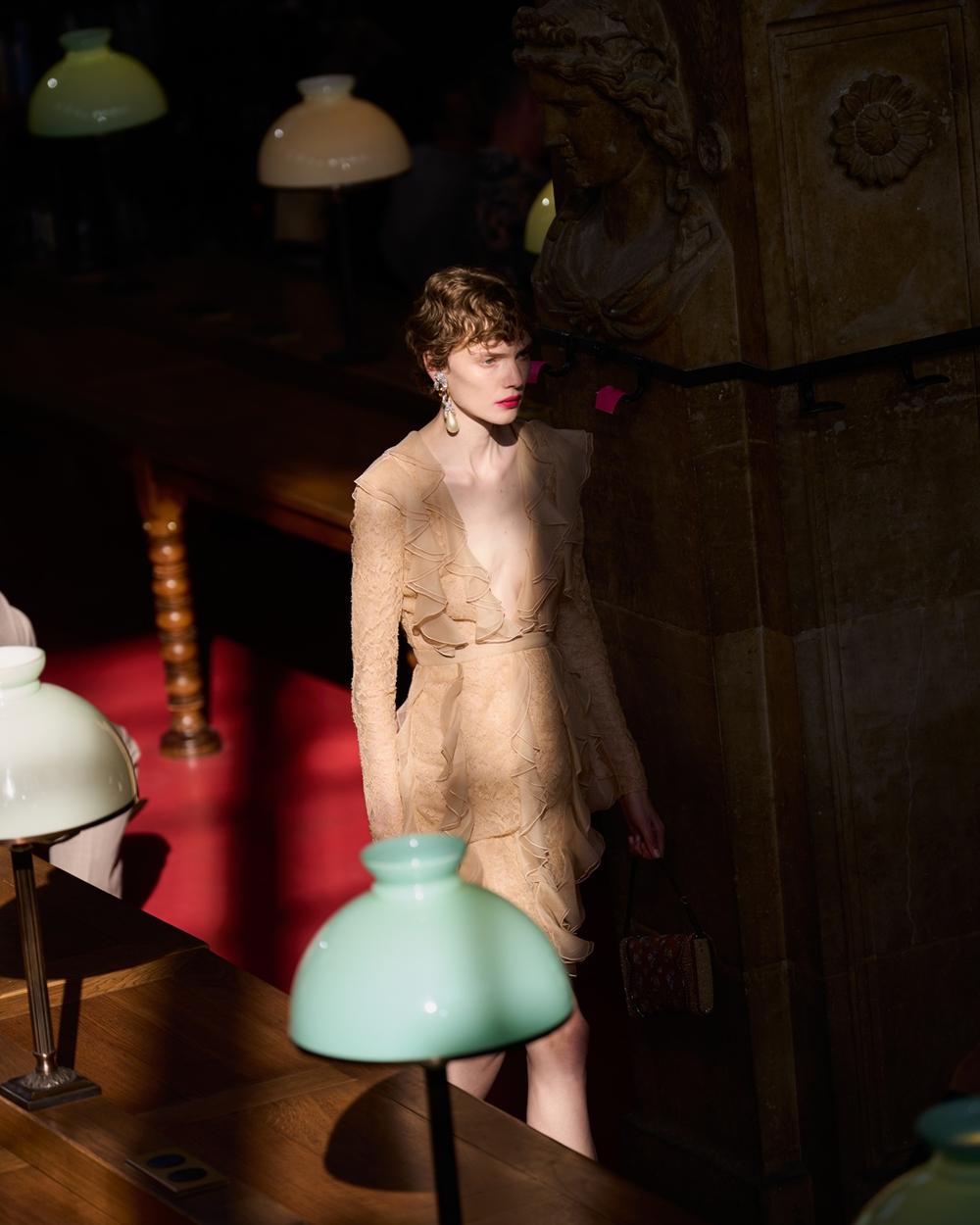
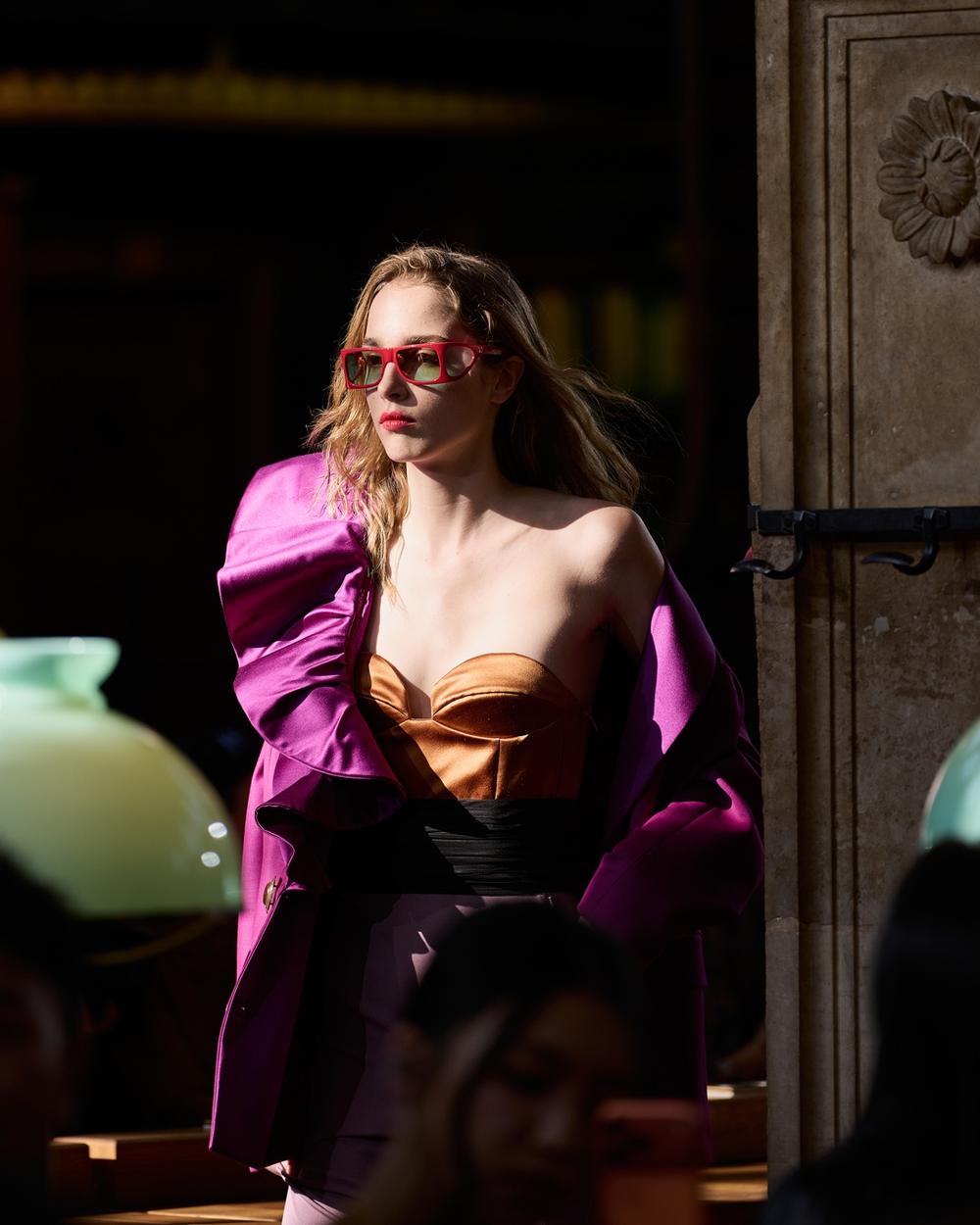
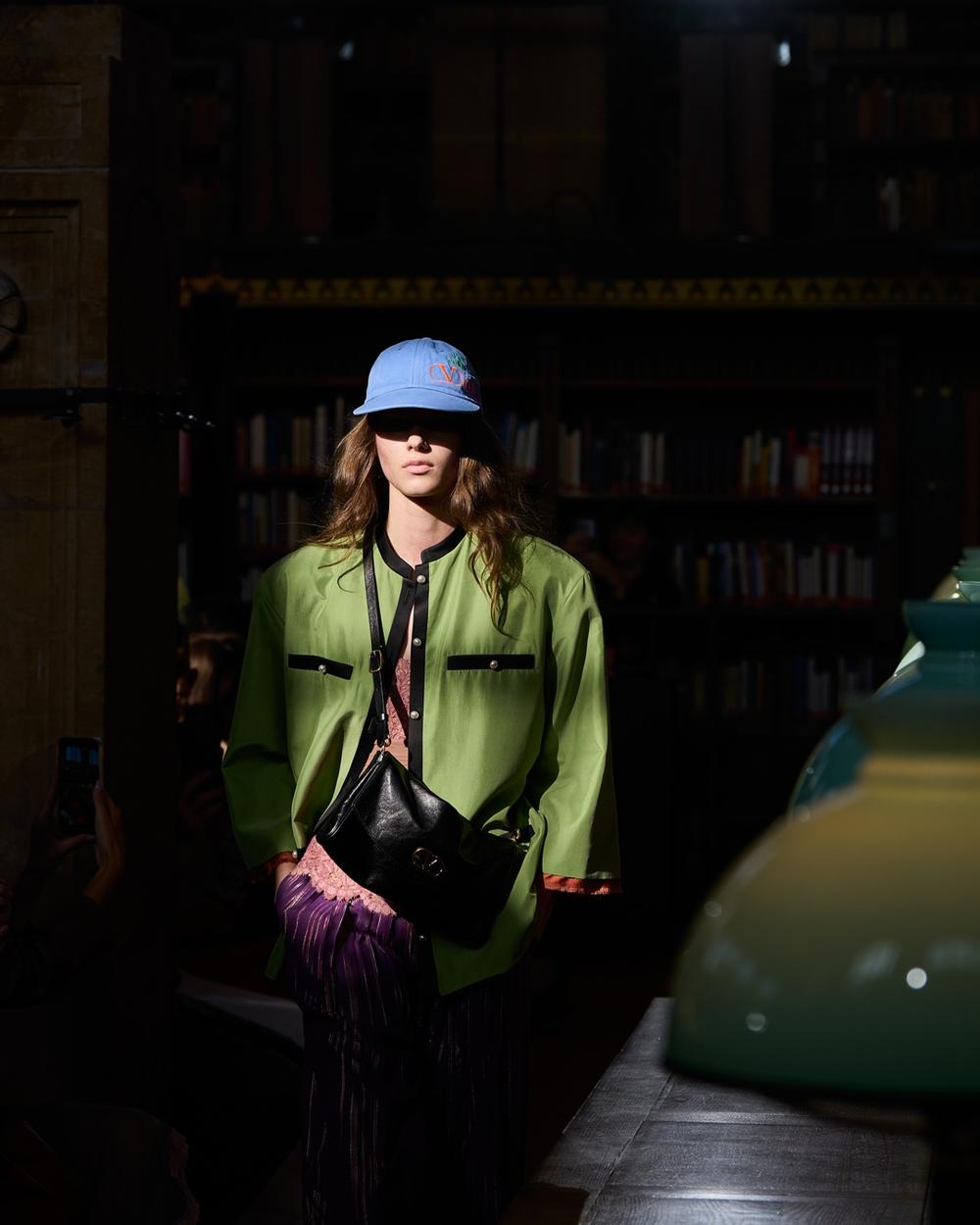
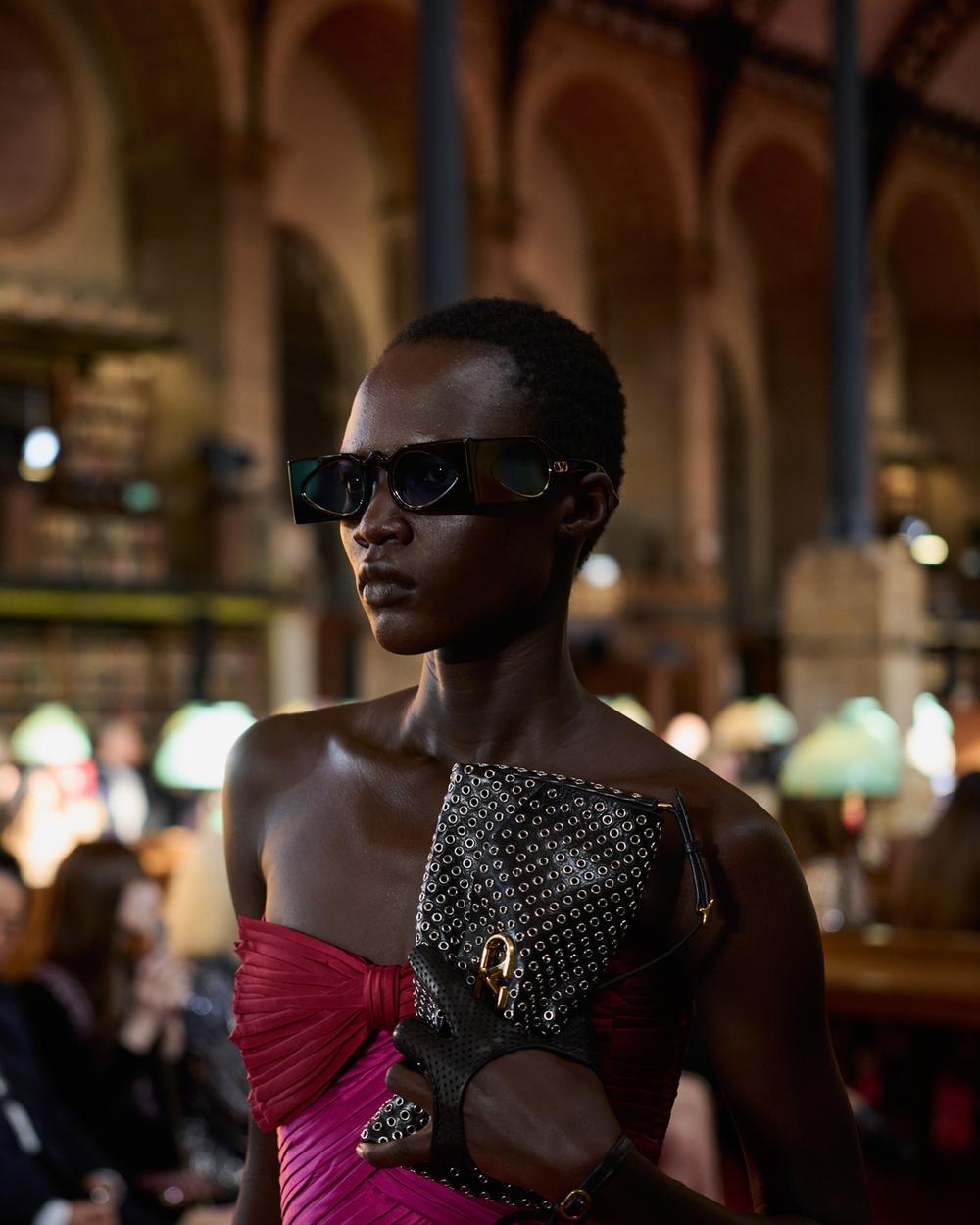
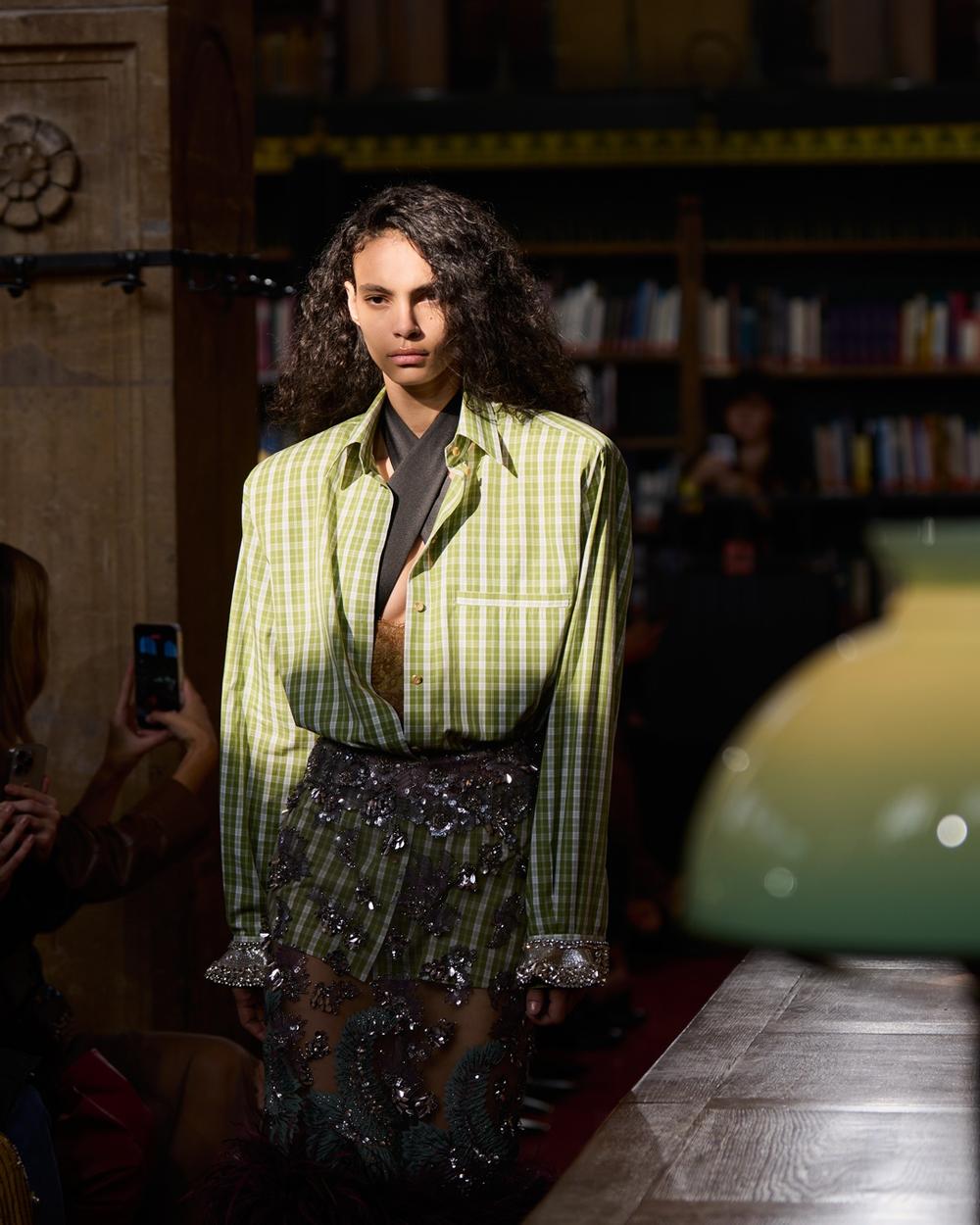
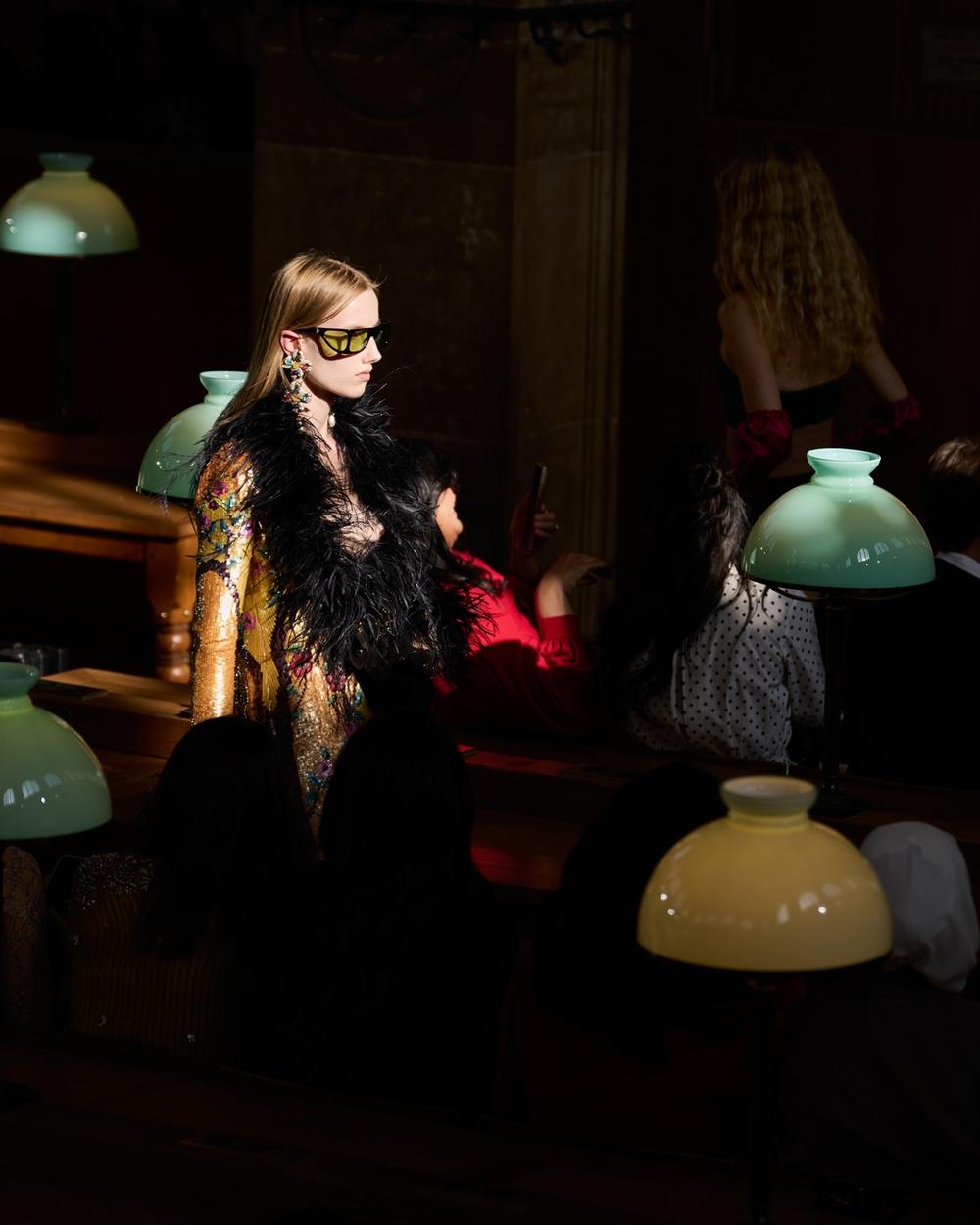
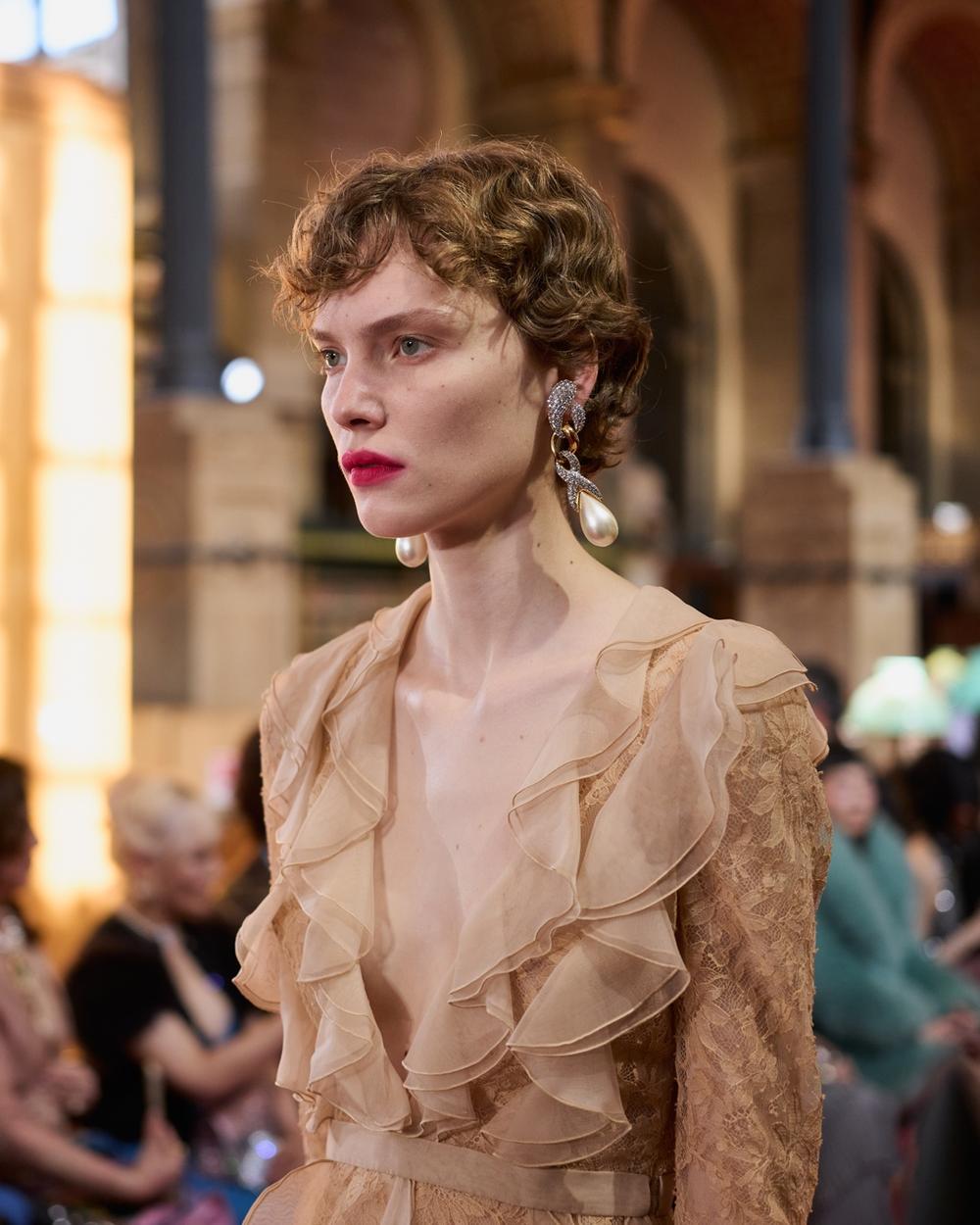
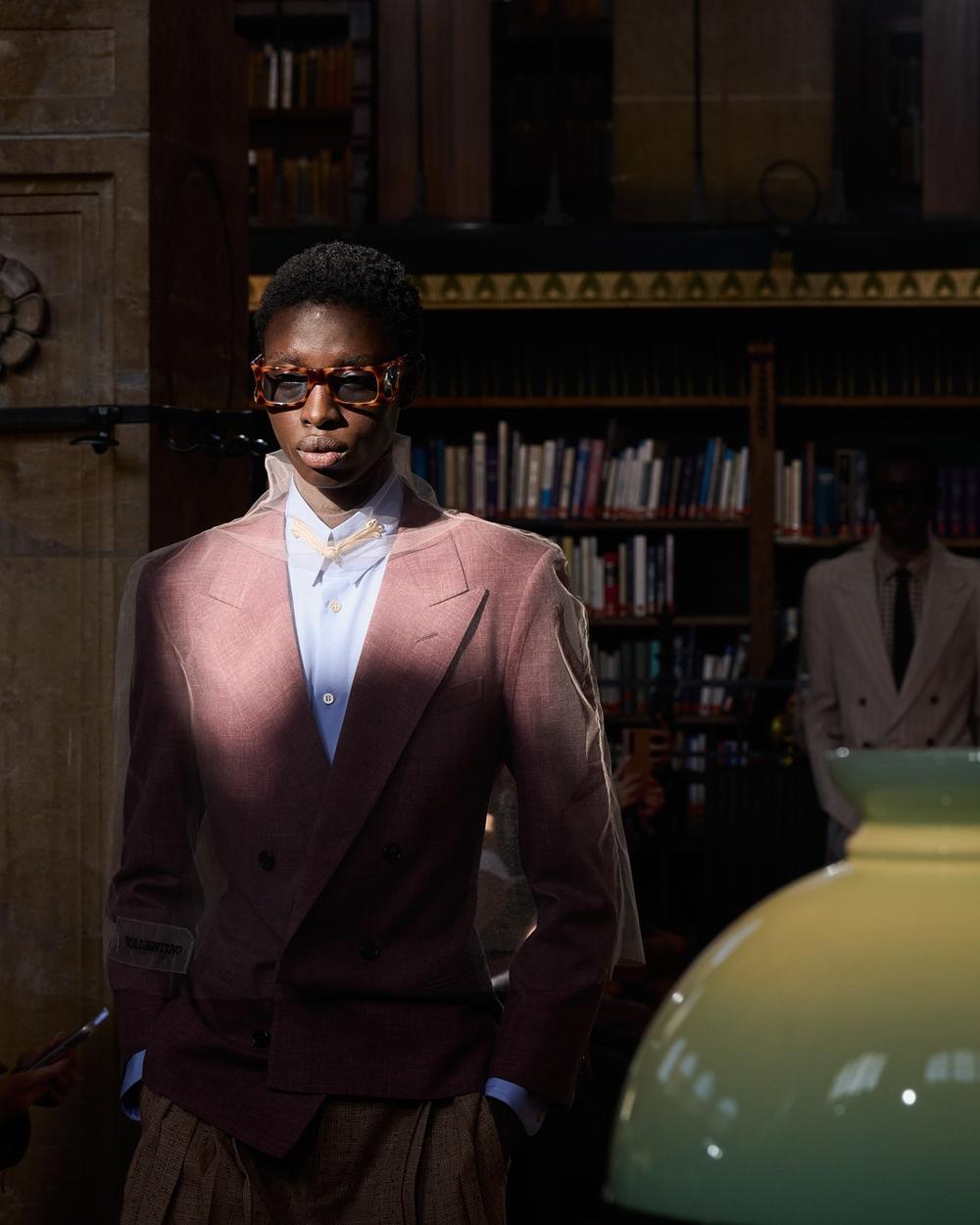
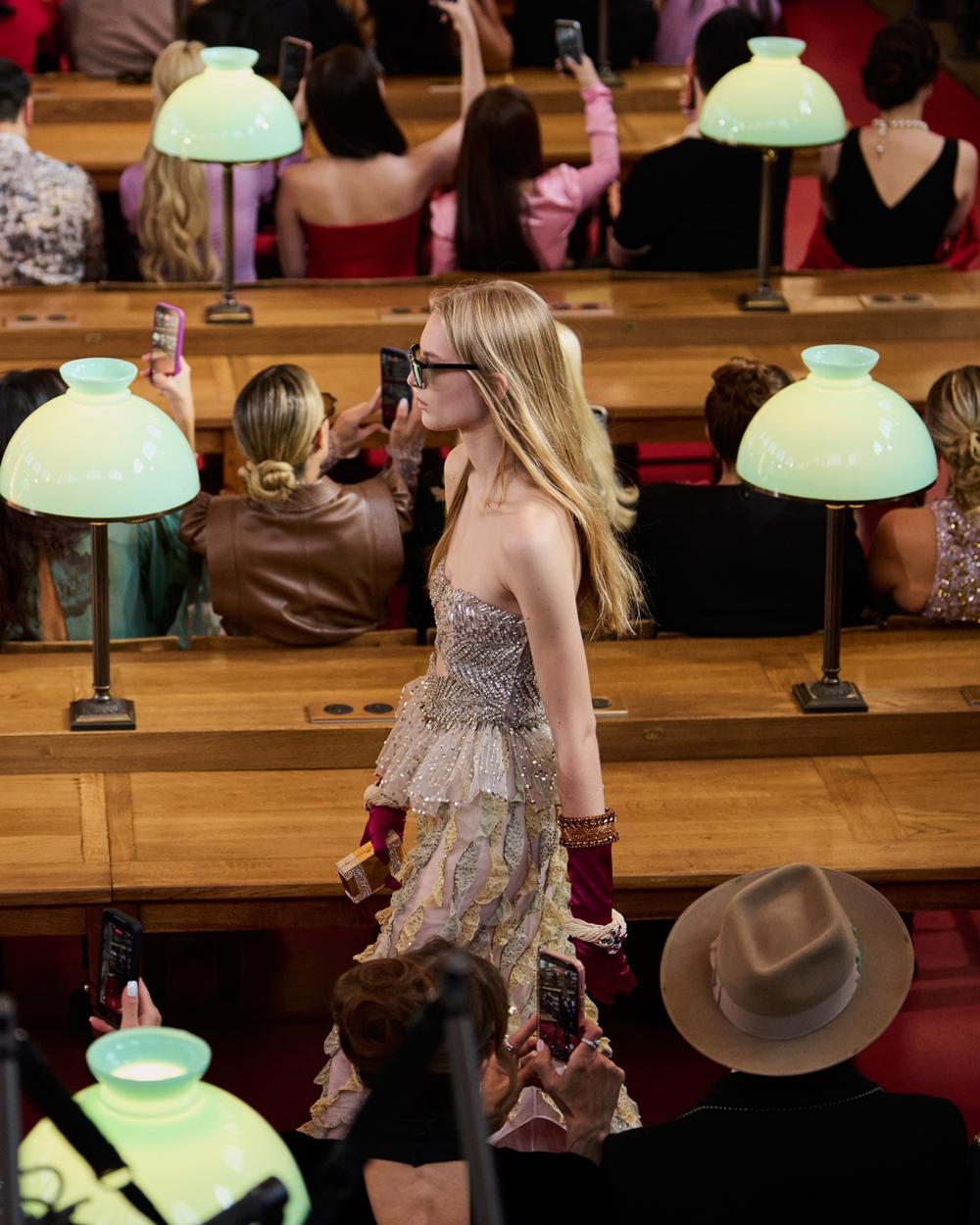
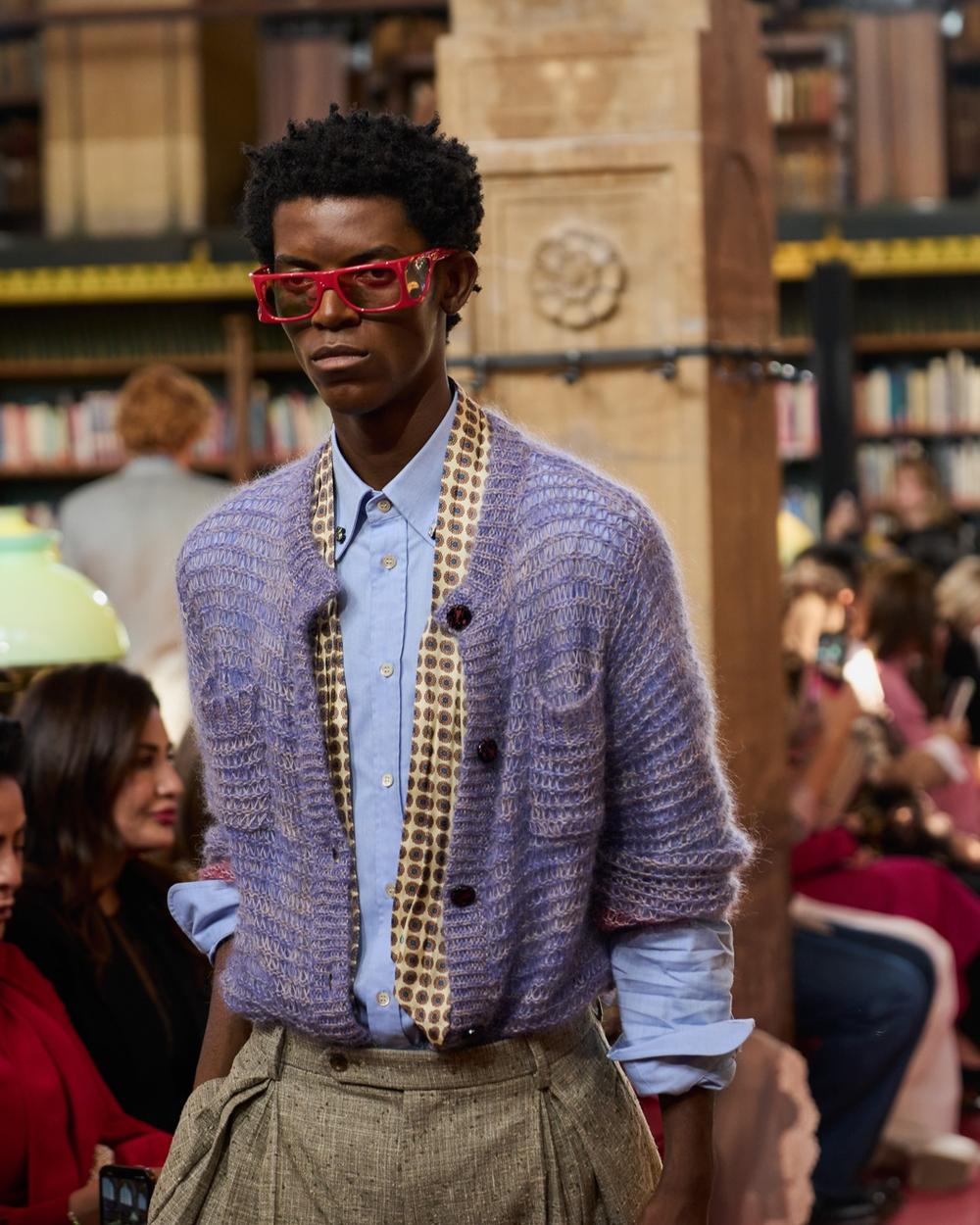
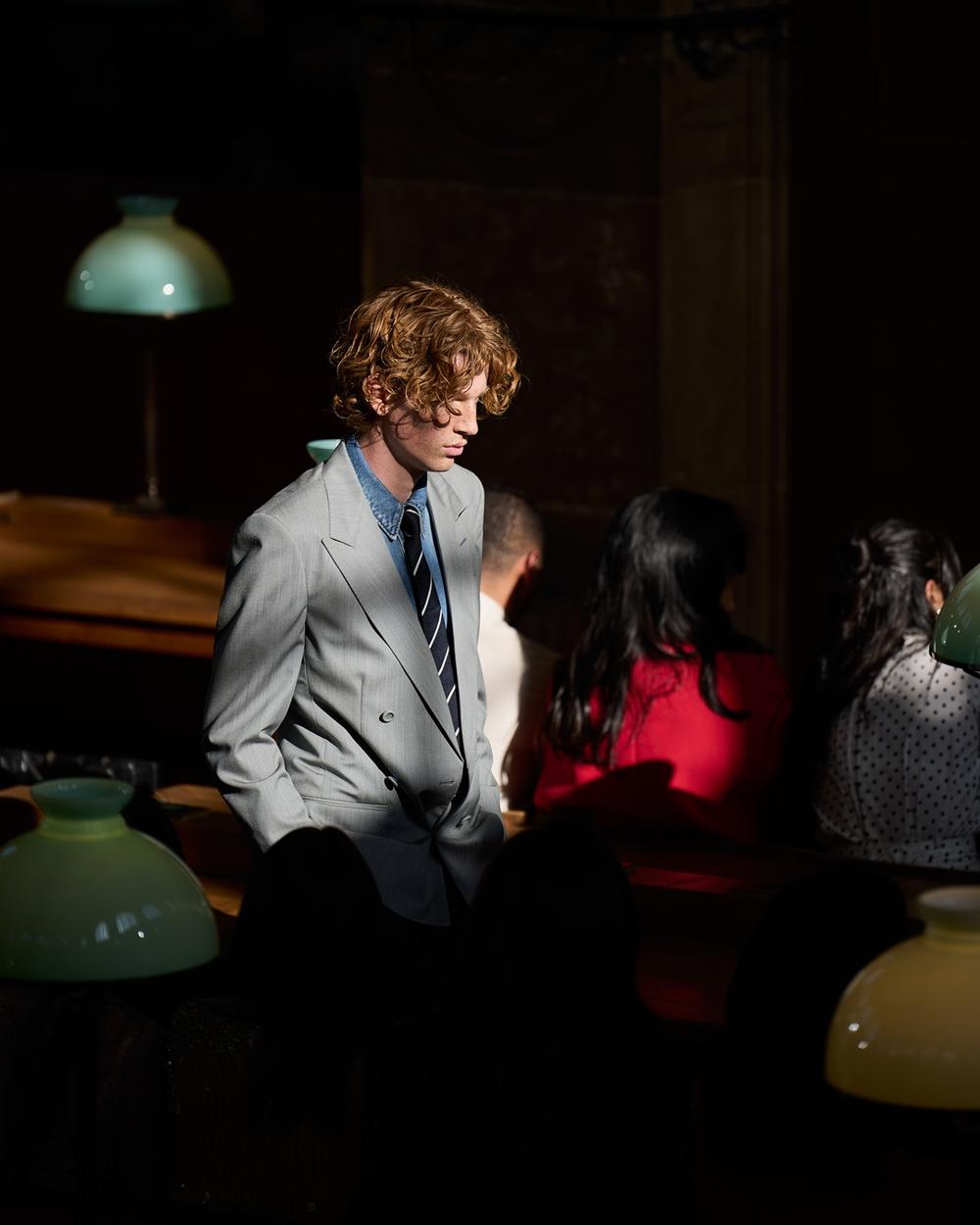
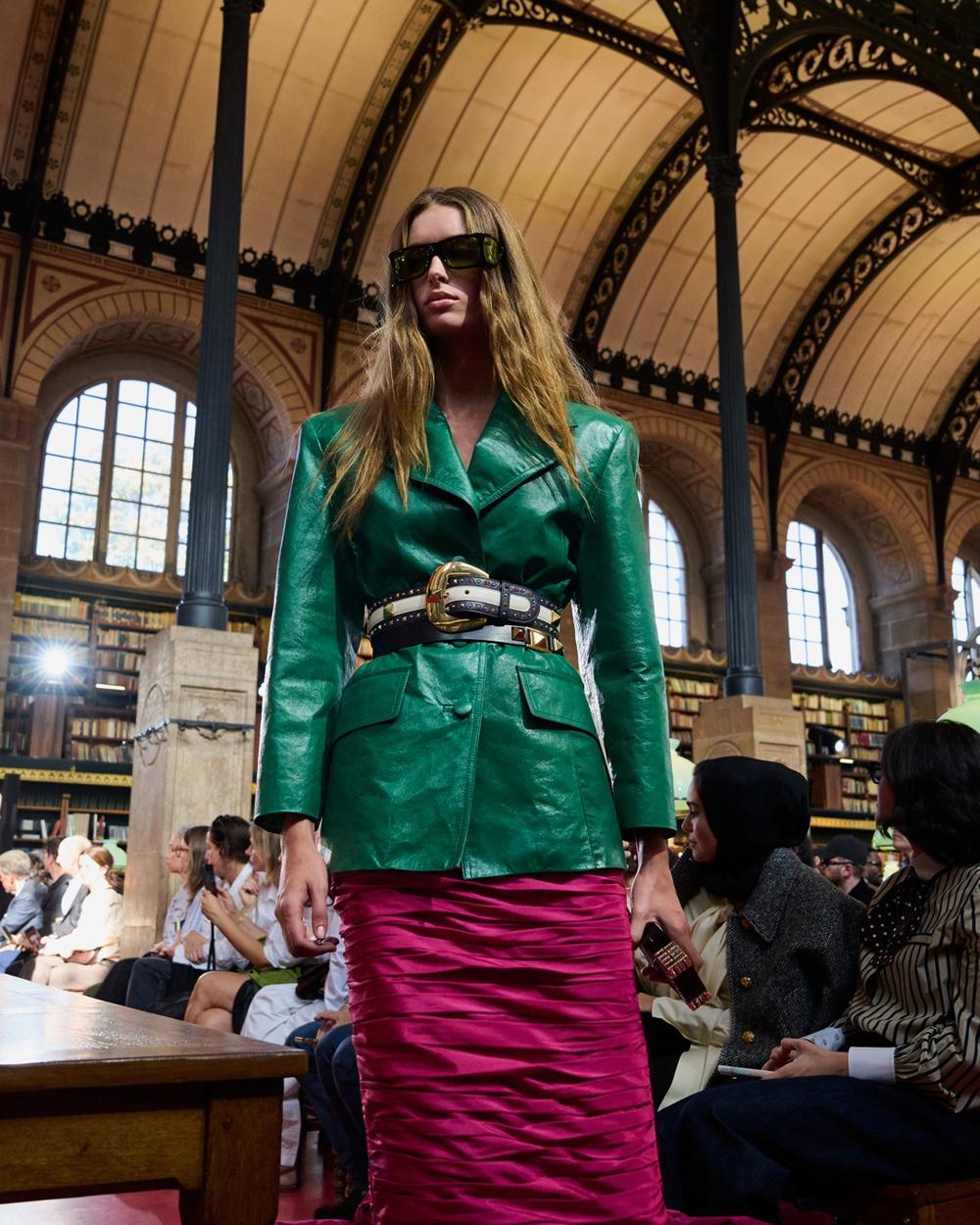
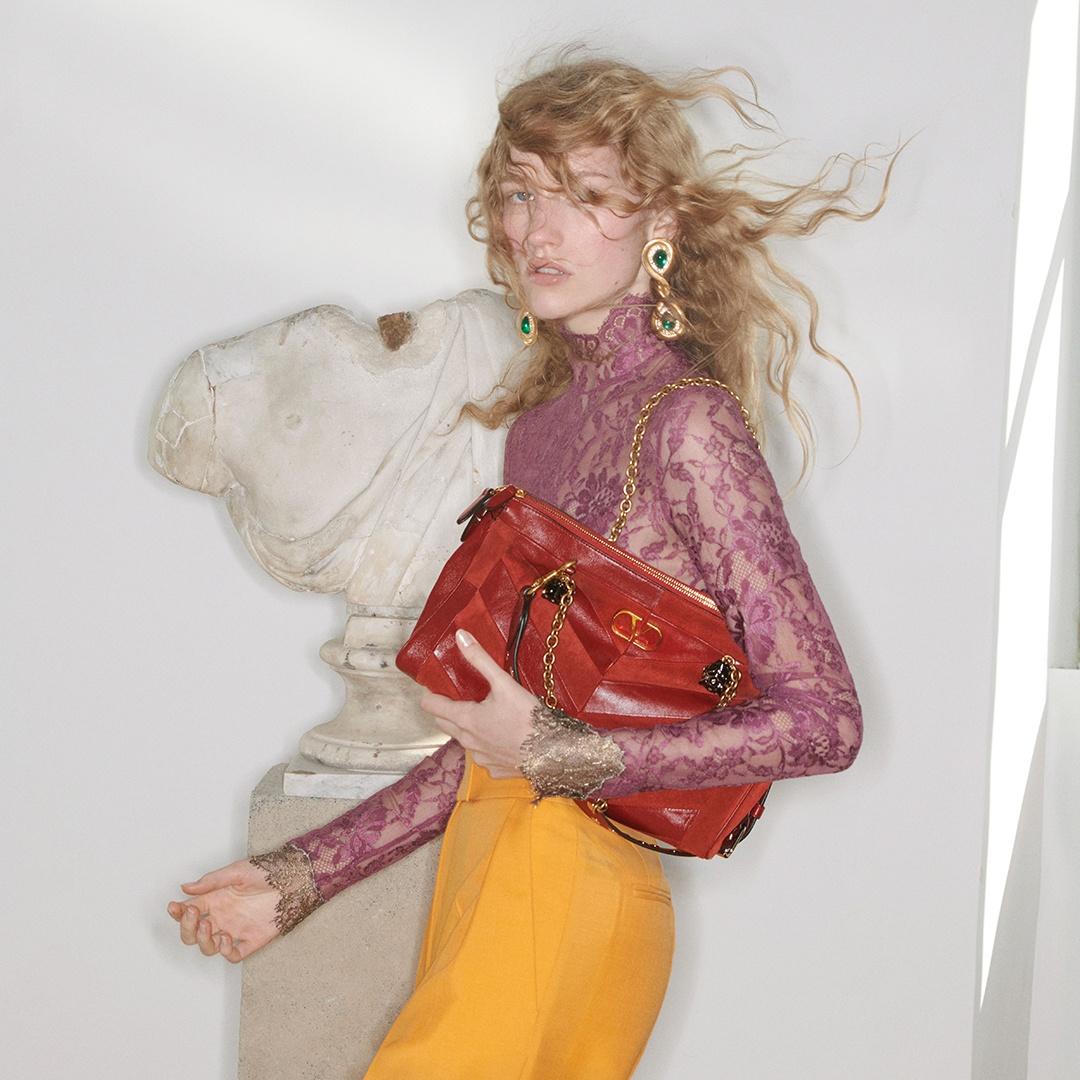
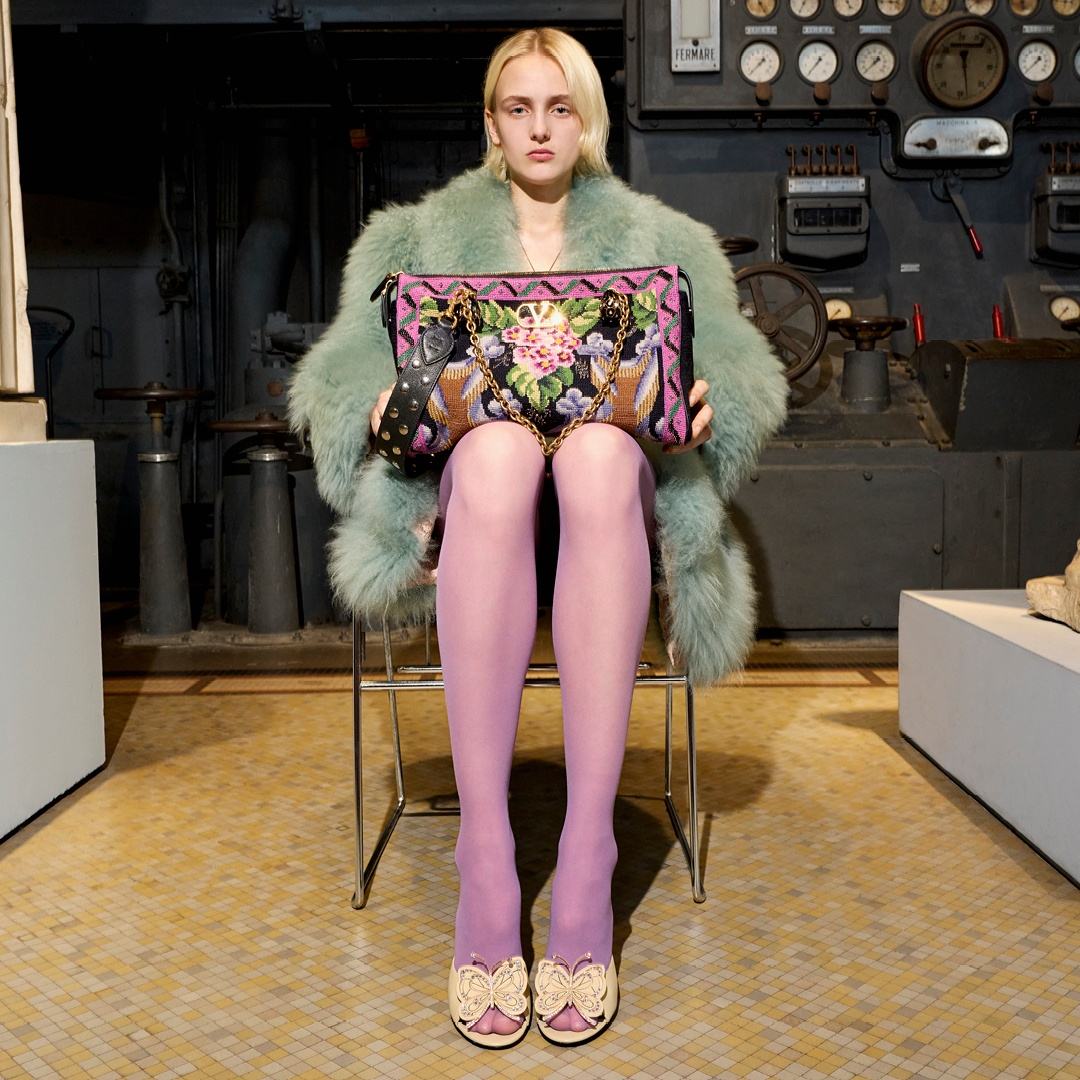
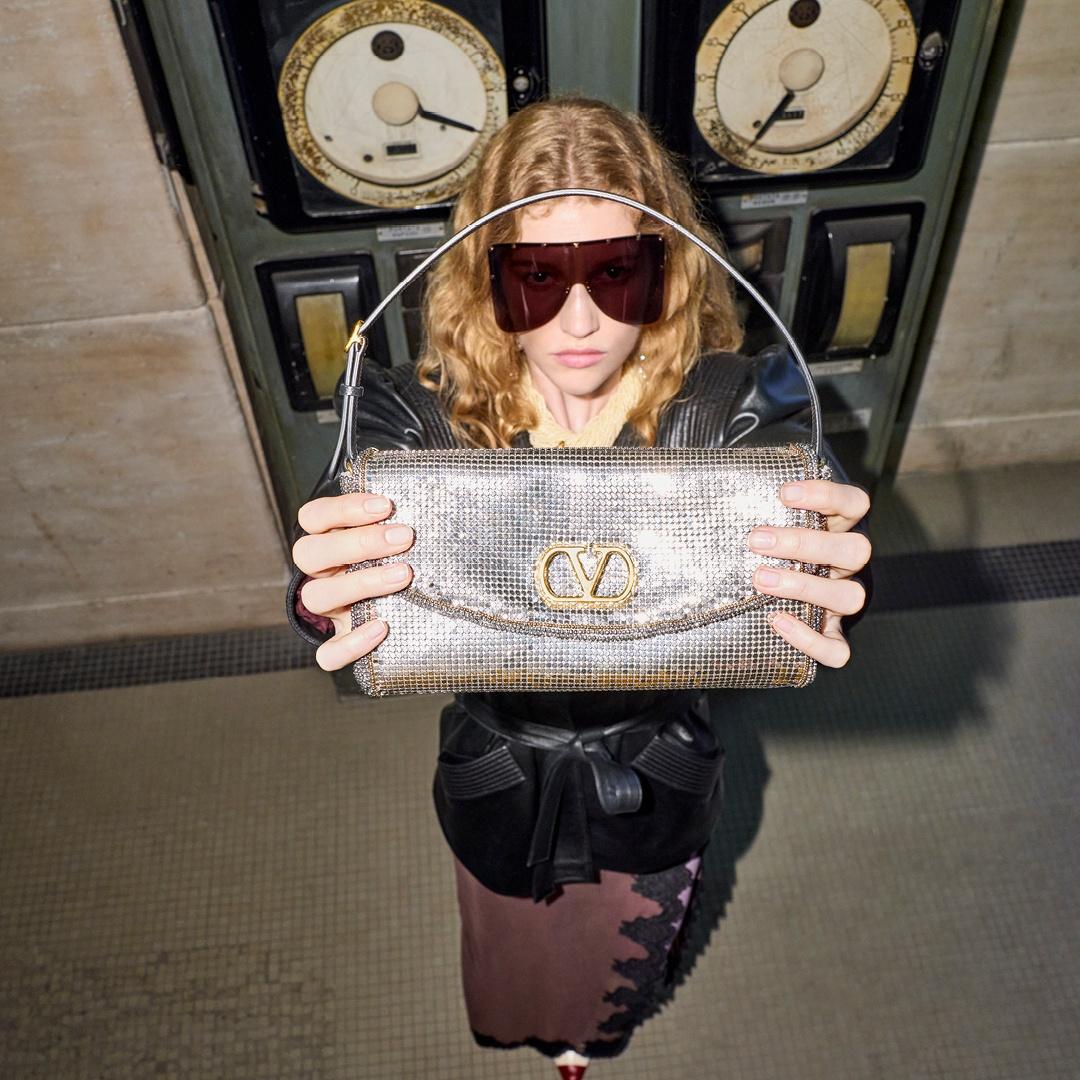
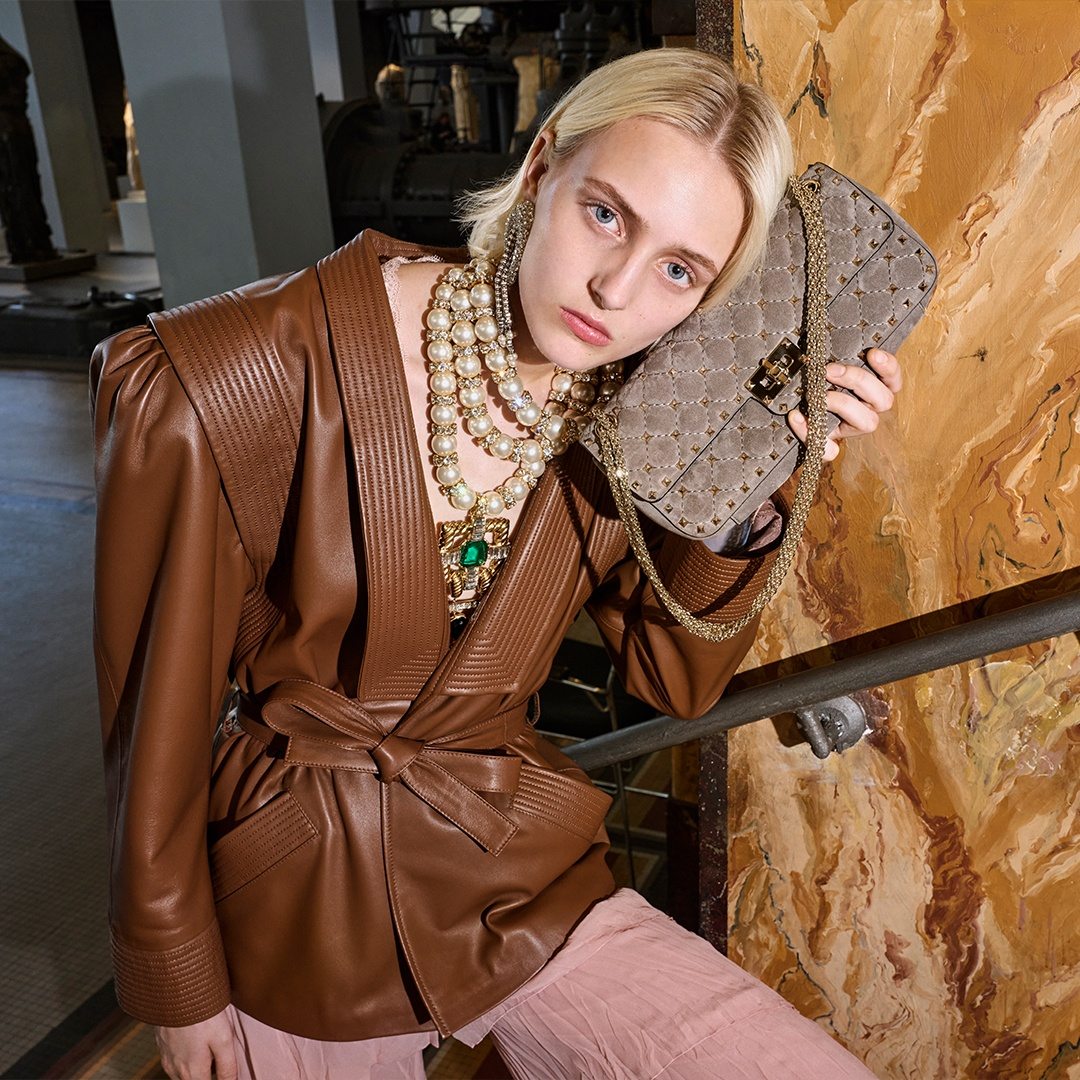
This consideration about the antilibrary often comes to mind when I think about fashion. Every season, garments are
conceived and created to meet very different trajectories. Some of them will cross the space of the show only once; others
will stay alive in the images that hold their fleeting appearance; while others will enter the wardrobes to remain almost
untouched, cherished like relics. These objects may dwell in the lives of many in ways that extend beyond being worn.
Their existence also happens elesewhere: in the gaze, in memories, in images, even before it touches the body.
And yet, to measure their worth by use alone would be reductive. Like the unread books populating Umberto Eco’s library,
these garments seem to belong to a realm that transcends the logic of functionality and consumption. They constitute a
joyful reservoir of forms, aesthetic sensibilities, silhouettes, and ways of inhabiting the body that may never find full
actualization — yet serve to expand the realm of the imaginable.
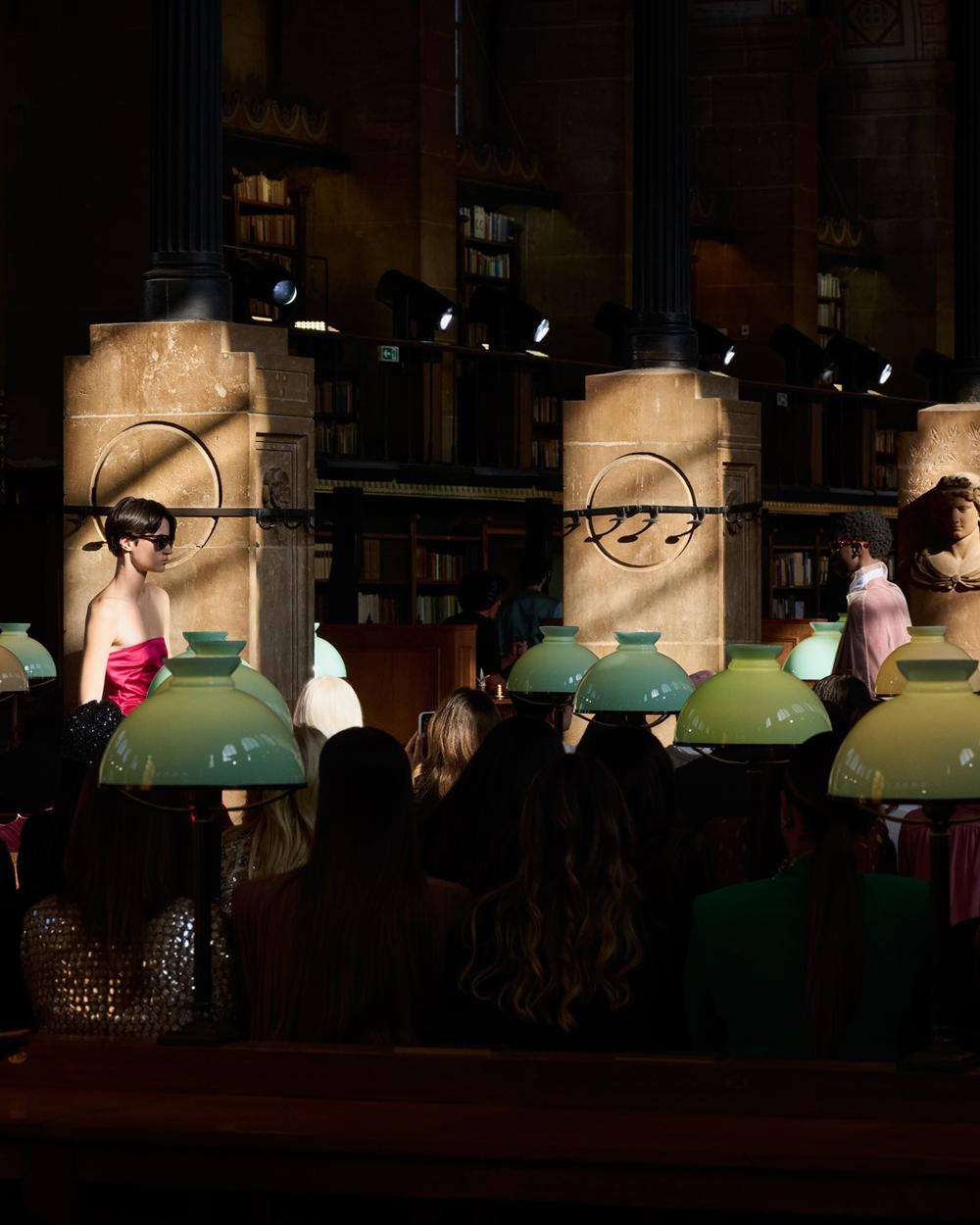
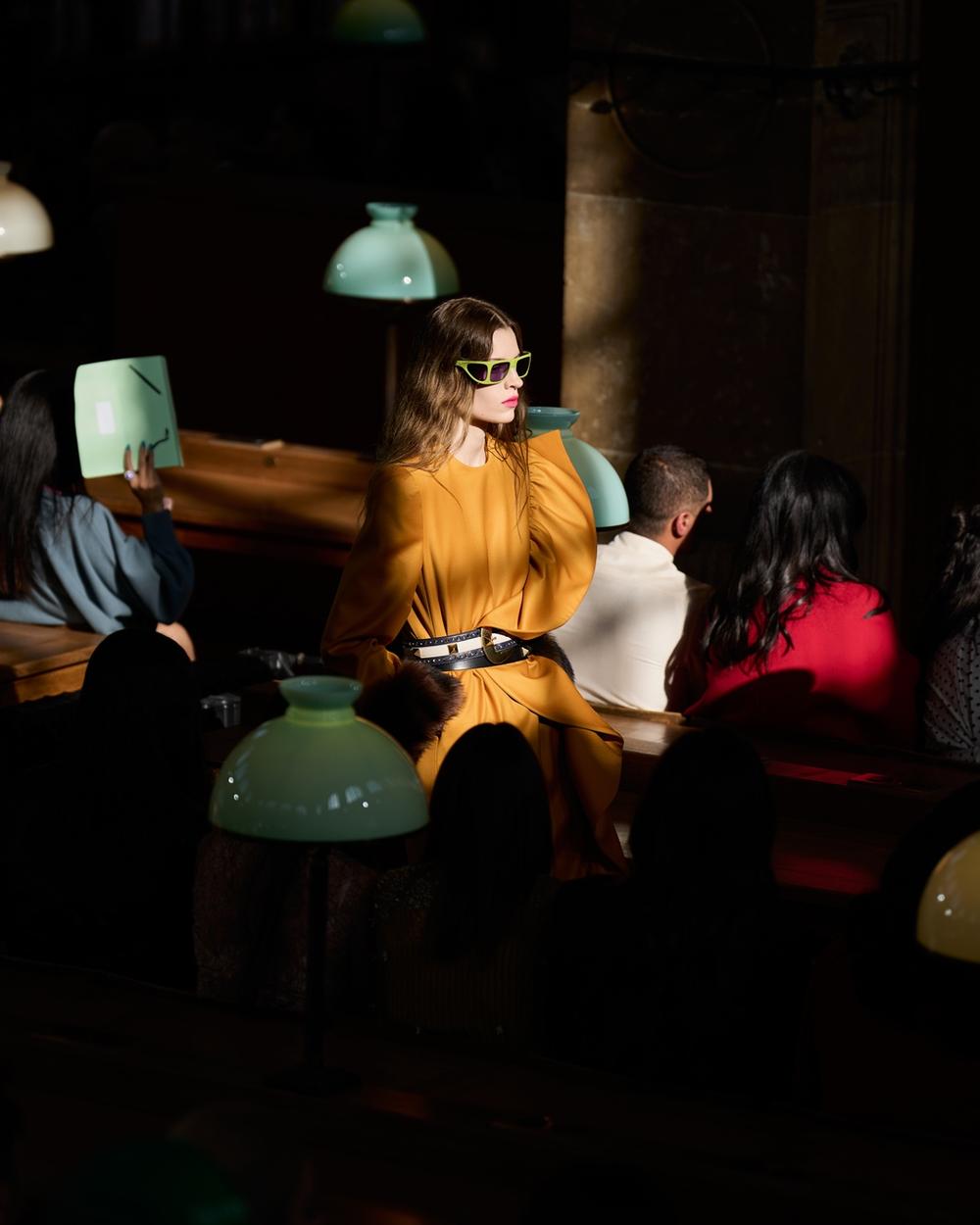
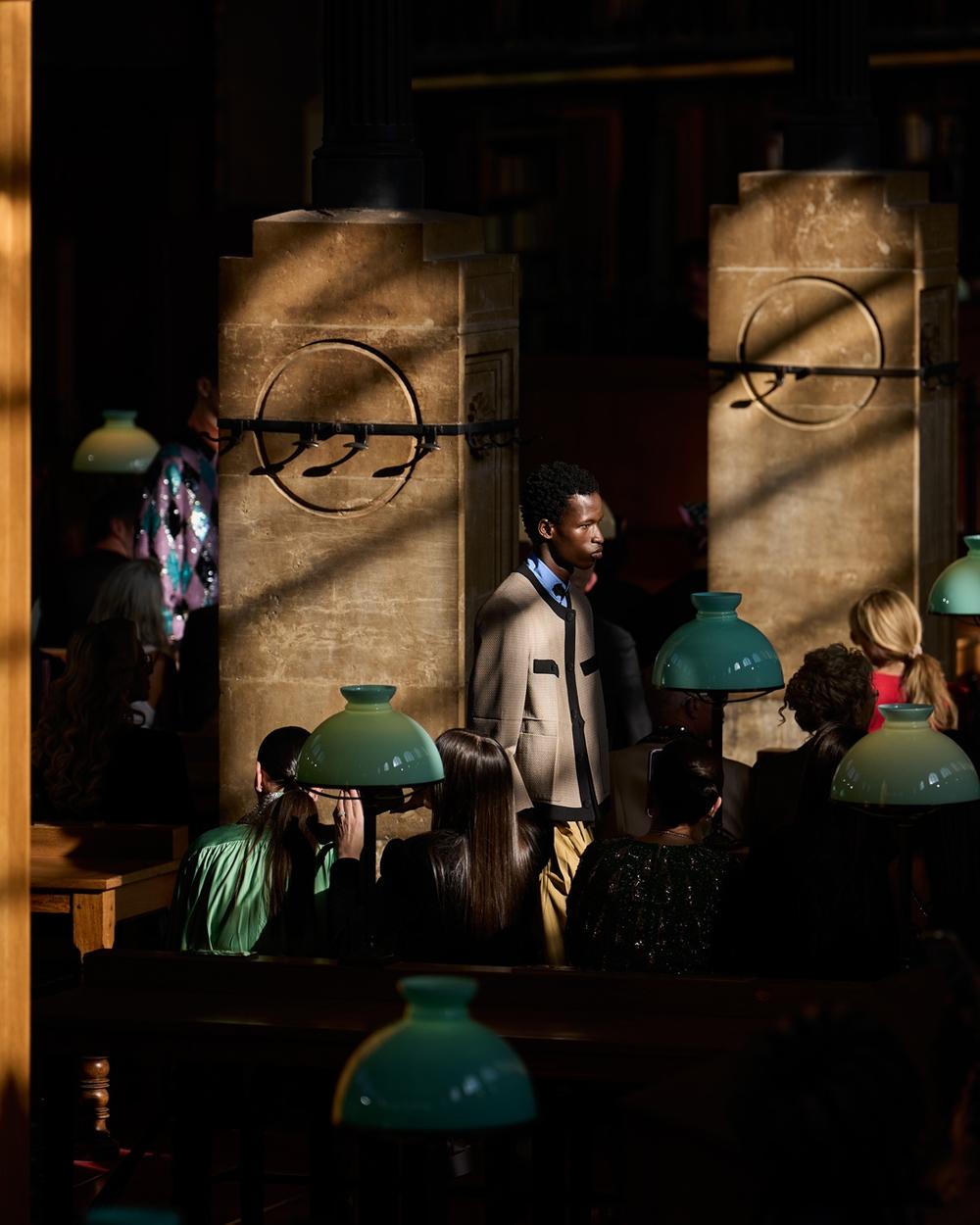
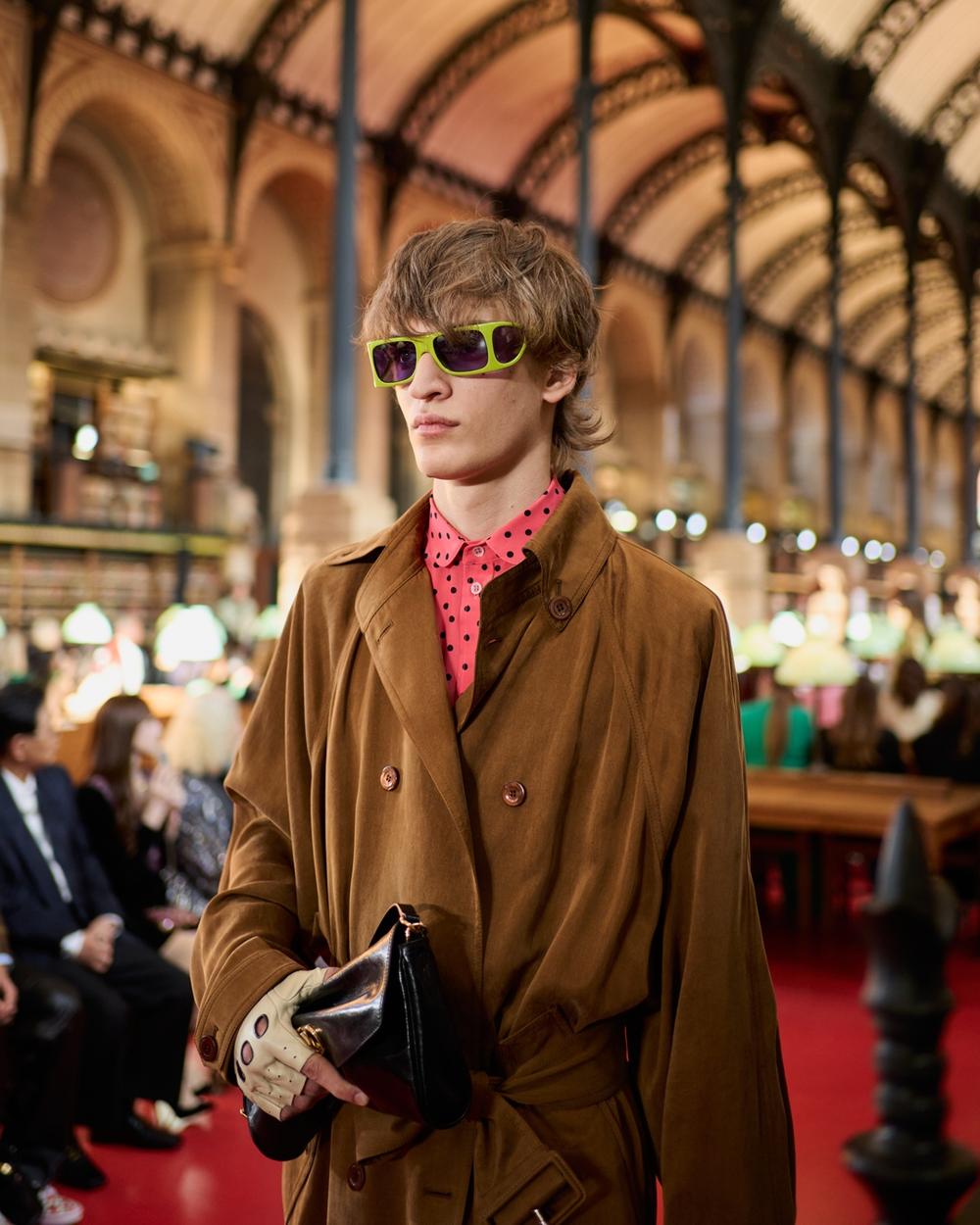
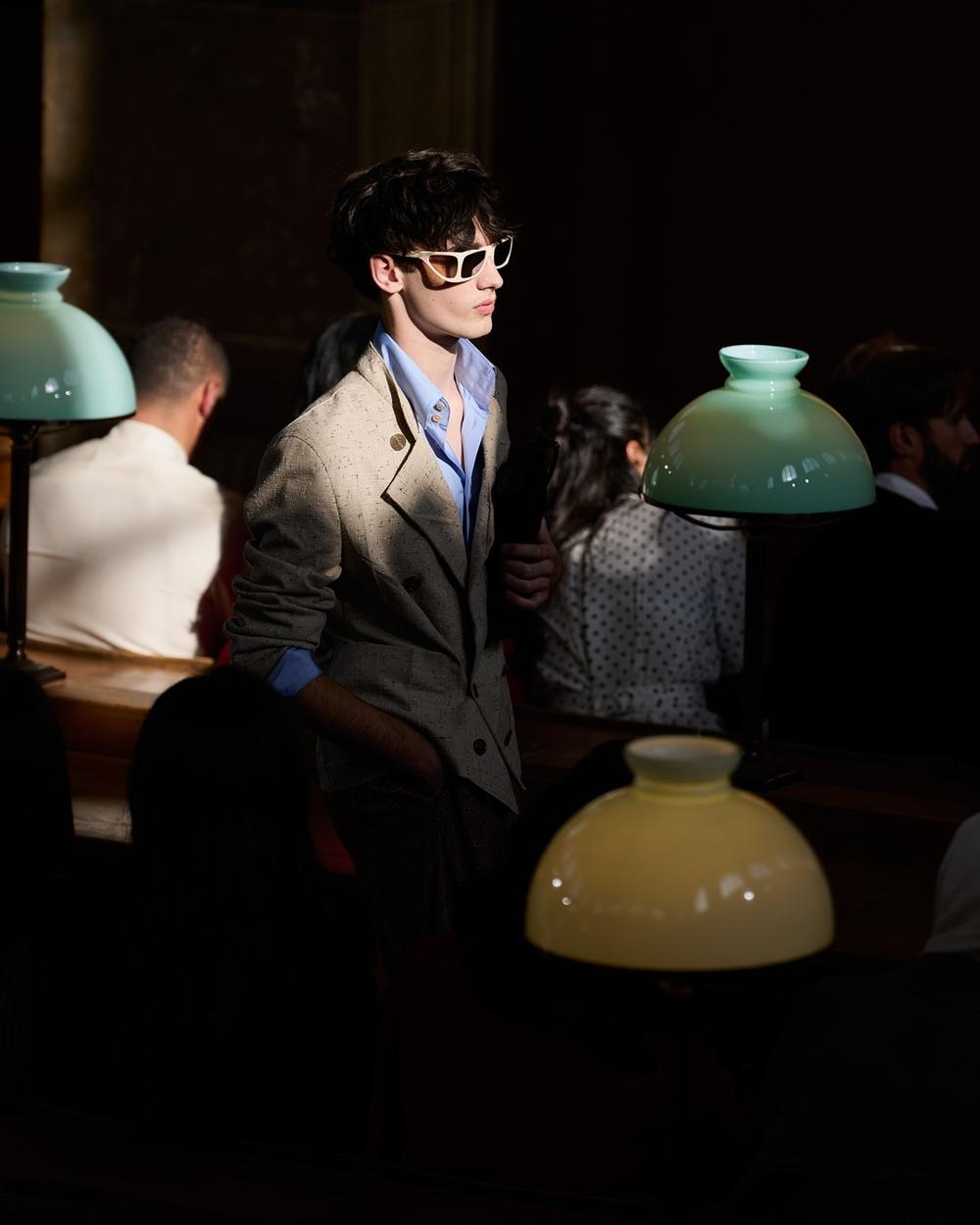
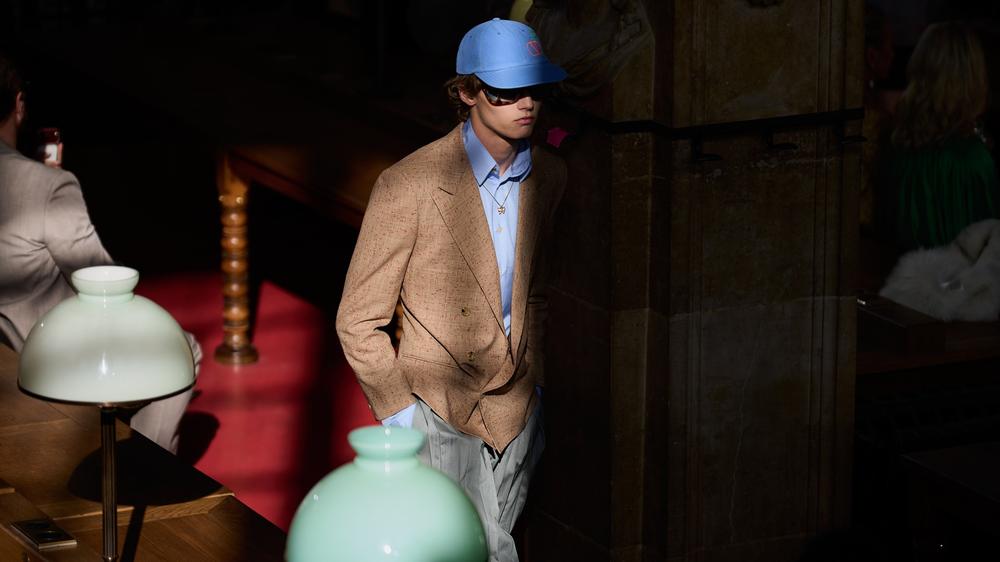
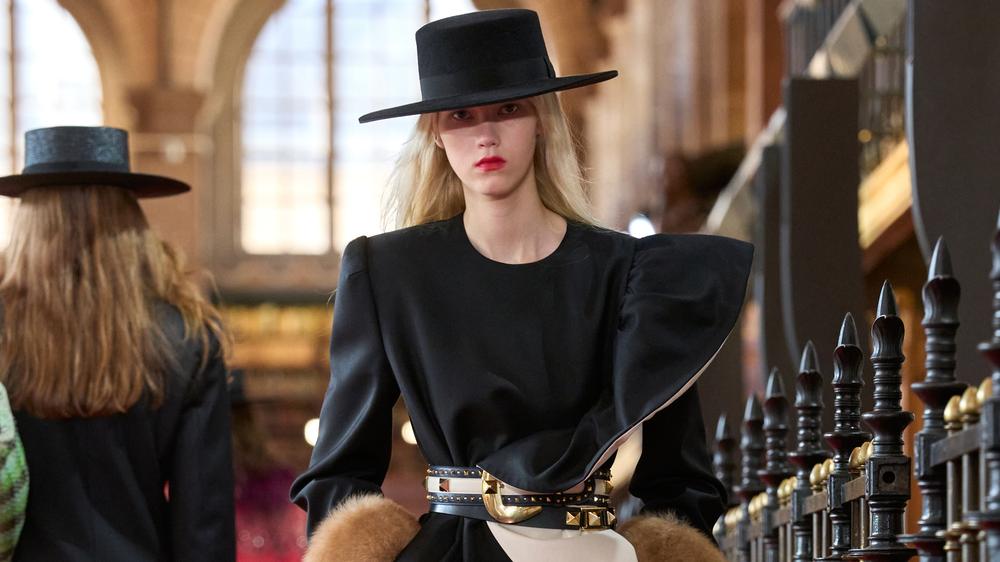
For this reason, a show can be seen as a sort of visual antilibrary. An archive of expressive potential that gains a density
of its own even by remaining unactualized. As Giorgio Agamben reminds us, potentiality is not a mere lack destined to
vanish once realized in the act; rather, it is the ability to keep all its possibilities alive, preserving its efficacy even when
it remains inoperative. Indeed, a potentiality that exhausted itself completely in actualization would lose precisely what
makes it what it is.
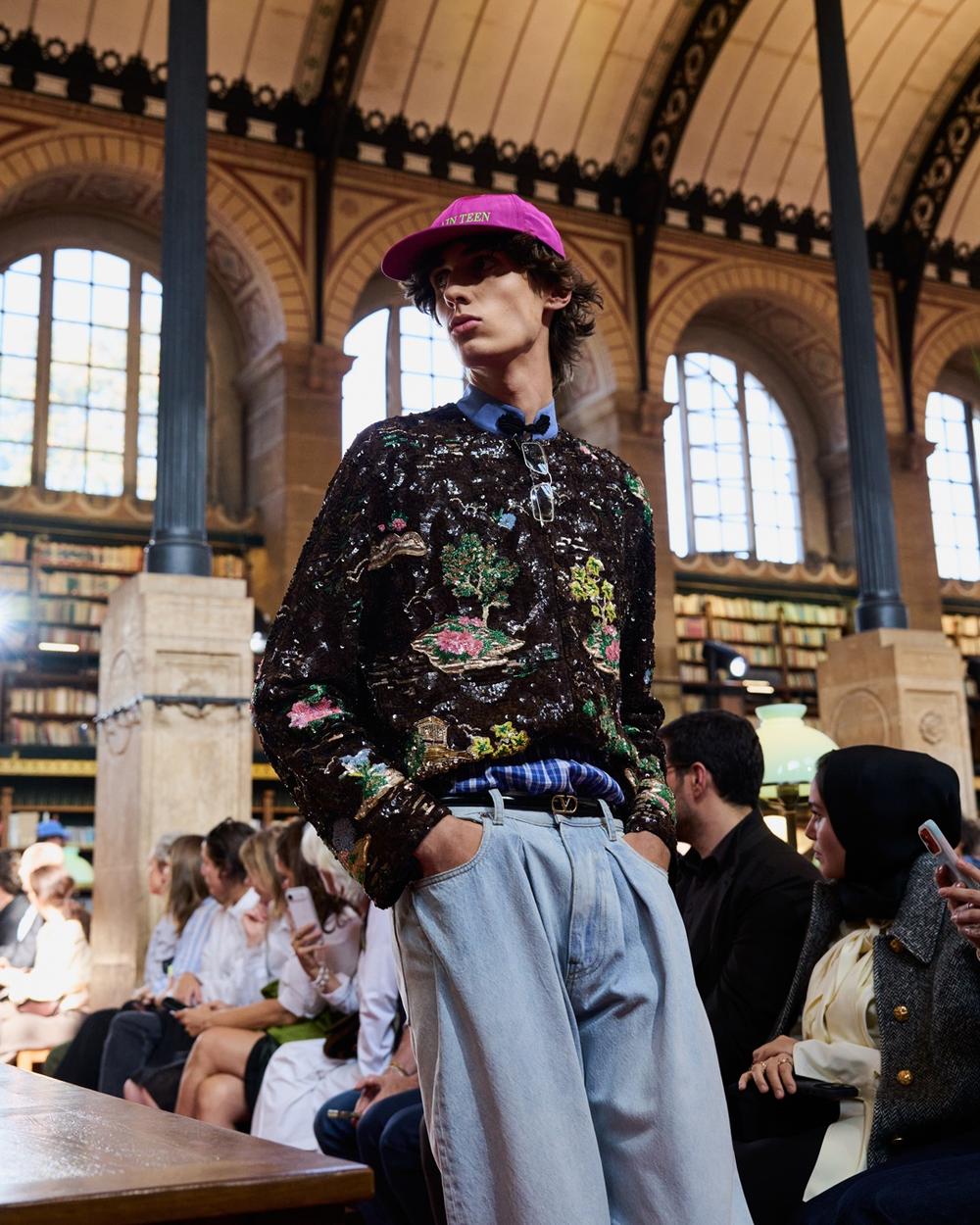
Many of the garments that we see in a fashion show belong entirely to the realm of potentiality. Their significance is
not exhausted by the definition of use value; rather, it extends to what they make conceivable. From this angle, fashion
operates not only on the present of consumption, but also on a reservoir of virtuality that continuously exceeds its actual
realization.
Even the garments that we will never wear, no differently than those books sitting unopened on our shelves, still speak to
us of the lives we could have lived. Not as regrets, but as promises. Because their sheer presence as a possibility makes
the world wider, richer, more liveable. After all, perhaps a fragment of happiness stems exactly from this: the profoundly
human capacity to continuously expand the realm of what we can imagine and to live, if only for a moment, in worlds that
are yet to come. Or might never be.
Alessandro
“The writer Umberto Eco belongs to that small class of scholars who are encyclopedic, insightful, and nondull. He is the
owner of a large personal library (containing thirty thousand books), and separates visitors into two categories: those
who react with “Wow! professor Eco, what a library you have! How many of these books have you read?” and the others
- a very small minority - who get the point that a private library is not an ego-boosting appendage but a research tool.
Read books are far less valuable than unread ones. The library should contain as much of what you don’t know as your
financial means, mortgage rates and the currently tight real-estate market allows you to put there. You will accumulate
more knowledge and more books as you grow older, and the growing number of unread books on the shelves will look at
you menacingly. Indeed, the more you know, the larger the rows of unread books.
Let us call this collection of unread books an antilibrary.”
(Nassim Nicholas Taleb)
When Nassim Nicholas Taleb tells the story of Umberto Eco’s library in The Black Swan, he is not charmed by the books
Eco had read, but rather by the incredible number of volumes that he had not yet read. Because the value of an antilibrary
lies not in what we already know, but in the tangible presence of what we still do not. The antilibrary is not a monument
to erudition, but a research tool where the unread books represent the most precious part of the collection: a form of
potentially boundless cognitive capital that always makes new discoveries possible.
In this spirit the antilibrary resembles that Japanese practice known as tsundoku (積ん読): the habit of buying books and
letting them pile up without reading them. What might look like a form of procrastination assumes a different meaning
here. Those books are not unused objects, but presences that testify to the world’s excess over what we know. Each volume
still unopened with its scent of untouched paper is a memento of lives, ideas and stories that wait for us to meet them. A
promise of happiness treasured in anticipation.
This consideration about the antilibrary often comes to mind when I think about fashion. Every season, garments are
conceived and created to meet very different trajectories. Some of them will cross the space of the show only once; others
will stay alive in the images that hold their fleeting appearance; while others will enter the wardrobes to remain almost
untouched, cherished like relics. These objects may dwell in the lives of many in ways that extend beyond being worn.
Their existence also happens elesewhere: in the gaze, in memories, in images, even before it touches the body.
And yet, to measure their worth by use alone would be reductive. Like the unread books populating Umberto Eco’s library,
these garments seem to belong to a realm that transcends the logic of functionality and consumption. They constitute a
joyful reservoir of forms, aesthetic sensibilities, silhouettes, and ways of inhabiting the body that may never find full
actualization — yet serve to expand the realm of the imaginable.
For this reason, a show can be seen as a sort of visual antilibrary. An archive of expressive potential that gains a density
of its own even by remaining unactualized. As Giorgio Agamben reminds us, potentiality is not a mere lack destined to
vanish once realized in the act; rather, it is the ability to keep all its possibilities alive, preserving its efficacy even when
it remains inoperative. Indeed, a potentiality that exhausted itself completely in actualization would lose precisely what
makes it what it is.
Many of the garments that we see in a fashion show belong entirely to the realm of potentiality. Their significance is
not exhausted by the definition of use value; rather, it extends to what they make conceivable. From this angle, fashion
operates not only on the present of consumption, but also on a reservoir of virtuality that continuously exceeds its actual
realization.
Even the garments that we will never wear, no differently than those books sitting unopened on our shelves, still speak to
us of the lives we could have lived. Not as regrets, but as promises. Because their sheer presence as a possibility makes
the world wider, richer, more liveable. After all, perhaps a fragment of happiness stems exactly from this: the profoundly
human capacity to continuously expand the realm of what we can imagine and to live, if only for a moment, in worlds that
are yet to come. Or might never be.
Alessandro